
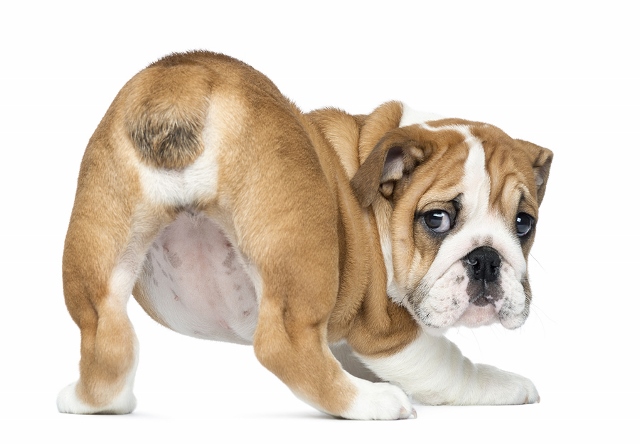
Anal gland problems are among the most common and frustrating issues in dogs. If your pet is scooting along the floor, constantly licking their bottom, struggling to poo, or giving off a strong fishy smell, irritated or blocked anal glands may be the cause.
While expressing the glands can provide temporary relief, many pets continue to suffer recurring anal gland problems because the underlying cause has not been addressed. Understanding the root causes can help support long-term anal gland health and improve your pet's overall wellbeing.
What are anal glands?
Anal glands, also called anal sacs, are two small glands located on either side of the anus.
These glands contain a strong-smelling fluid that is naturally released when your pet passes a bowel motion. The scent acts as a territorial marker and is one reason dogs spend so much time sniffing one another's rear ends.
In a healthy animal, firm stools place gentle pressure on the glands during defecation, allowing them to empty naturally.
Problems occur when the glands fail to empty properly and become impacted, inflamed, infected, or, in severe cases, abscessed.

Does your dog have anal gland problems?
Your dog may show one or more of these signs:
- Scooting their bottom across the ground
- Discomfort while sitting
- Biting at the tail base
- A strong fishy odour
- Blood or discharge from the anal area
- Swelling behind the anus
- Excessive licking around the anus
- Straining to defecate
- Constipation
- Pain when passing stools
- Recurrent anal gland infections
- Rectum abscess
If you notice swelling, bleeding, severe pain, or an abscess, seek veterinary attention.
Why do anal gland problems keep coming back?
Many pet owners become caught in a cycle of repeatedly having the glands expressed, only for the problem to return weeks or months later.
While expression may relieve pressure, it doesn't always address why the glands became blocked in the first place.
Recurring anal gland problems often indicate an underlying issue involving digestion, inflammation, allergies, stool quality, or overall health.

Common causes of recurring anal gland problems
Recurring anal gland problems are often linked to:
- Soft stool
- Food intolerances
- Digestive imbalance
- Gut microbiome issues
- Allergies
- Obesity
- Chronic inflammation
- Breed predisposition
- Liver congestion
Addressing these underlying factors may help reduce recurrence.
The stool quality connection
One of the most common causes of recurring anal gland issues is poor stool quality.
When stools are firm and well-formed, they naturally compress the glands during defecation and help empty them.
When stools are consistently soft:
- The glands may not empty properly
- Material builds up within the sacs
- Secretions become thicker
- Inflammation develops
- Infections become more likely
For many pets, improving stool consistency dramatically reduces recurring anal gland problems.
The diet connection
Diet plays a major role in digestive health and anal gland function.
Common dietary factors that may contribute include:
- Food intolerances
- Food allergies
- Highly processed diets
- Inadequate nutrient absorption
- Diets that result in chronic soft stools
Many pet owners notice significant improvements when they move to a more species-appropriate diet and address any sensitivities that may be contributing to digestive upset.
Every animal is different, so make dietary changes gradually and monitor them carefully.
The gut health connection
A healthy digestive system supports healthy anal glands.
When the microbiome becomes inflamed, dogs may experience:
- Loose stools
- Food sensitivities
- Digestive discomfort
- Poor nutrient absorption
- Increased inflammation
Supporting digestive health can often be an important part of managing recurring anal gland issues.
This is why some dogs with chronic anal gland problems may also benefit from gut and digestive support alongside targeted anal gland remedies.
The allergy connection
Allergies are another commonly overlooked factor.
Environmental allergies, seasonal allergies, grass allergies, and food sensitivities can all increase inflammation throughout the body, including around the anal glands.
You may notice your pet has:
- Itchy skin
- Red paws
- Ear infections
- Excessive scratching
- licking behaviour
- Recurring anal gland irritation
When allergies are contributing to inflammation, supporting the immune system and reducing allergic triggers may help reduce recurrence.
The liver's connection to anal gland health
In natural animal healthcare, practitioners often view recurring health issues as part of a bigger picture rather than simply an isolated symptom.
The liver performs hundreds of important functions within the body, including supporting detoxification processes and helping manage inflammatory responses.
Because the liver plays an important role in processing metabolic waste and supporting normal inflammatory responses, some holistic practitioners consider liver support when addressing chronic skin, digestive, and glandular issues.
When a pet experiences ongoing inflammatory conditions such as:
- Skin issues
- Allergies
- Digestive problems
- Recurring anal gland irritation
it may be worth considering whether additional liver support could play a role within a broader wellness plan.
Many practitioners choose to support both the affected area and the body's natural detoxification pathways.
For this reason, some pets experiencing recurring anal gland issues may benefit from using both Anal GL and Liver Support as part of a holistic approach.
Related Support:
- Anal GL
- Liver Tonic (Hom)
- LiverVitality Canine
Anal gland problems in dogs
Dogs are far more likely than cats to experience anal gland problems.
Certain dogs appear particularly predisposed, including:
- Small breed dogs
- Overweight dogs
- Dogs with chronic allergies
- Dogs with digestive issues
- Dogs with recurring soft stools
Some dogs will occasionally experience an isolated anal gland issue, while others develop a chronic cycle that requires ongoing management.
Addressing digestion, diet, inflammation, and overall health often provides better long-term outcomes than simply expressing the glands whenever they become blocked.
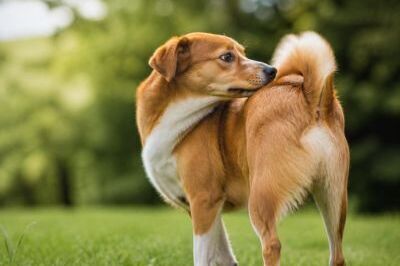
Natural ways to support healthy anal glands
Support healthy digestion: A healthy digestive system contributes to well-formed stools and normal gland emptying.
Encourage regular exercise: Exercise helps support healthy bowel function and maintains good muscle tone.
Address allergies: Reducing allergic triggers may help decrease inflammation affecting the anal area.
Support gut health: A healthy microbiome supports digestion and normal stool quality.
Consider liver support: For pets experiencing long-term recurring issues, a holistic approach may include additional liver support alongside other measures.
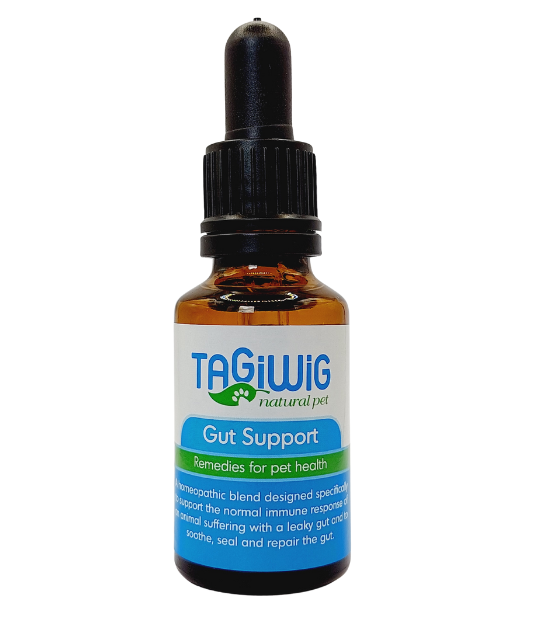
Use targeted anal gland support: Many pet owners use Anal GL to support pets experiencing irritated, inflamed, or recurring anal gland issues.
Frequently asked questions
Why does my dog keep getting blocked anal glands?
Recurring blocked anal glands are often associated with poor stool quality, digestive imbalance, allergies, inflammation, obesity, or dietary issues.
Does scooting always mean anal gland problems?
No. Scooting can also happen because of worms, allergies, skin irritation, or other causes. However, anal glands are one of the most common reasons.
Can diet affect anal glands?
Yes. Diet influences stool quality, digestive health, inflammation, and food sensitivities, all of which may affect anal gland function.
What is the best natural approach?
The best long-term approach is usually a combination of supporting healthy digestion, stool quality, allergy management, gut health, and anal gland function rather than focusing only on expression of the glands.
You can also make a calendula herbal poultice to help reduce inflammation.
Calendula poultice recipe for reducing anal gland inflammation in cats and dogs
- Two tablespoons of dried calendula flowers
- 1 cup of boiling water
- Soak the calendula flowers in boiling water for 30 minutes
- When cooled to warm, wrap the herbs in a cloth, dip them into the fluid, and press them against your dog's anus. Repeat for 5-10 minutes
- Repeat every day until the glands are released and back to normal.

Our recommended natural support for anal gland problems

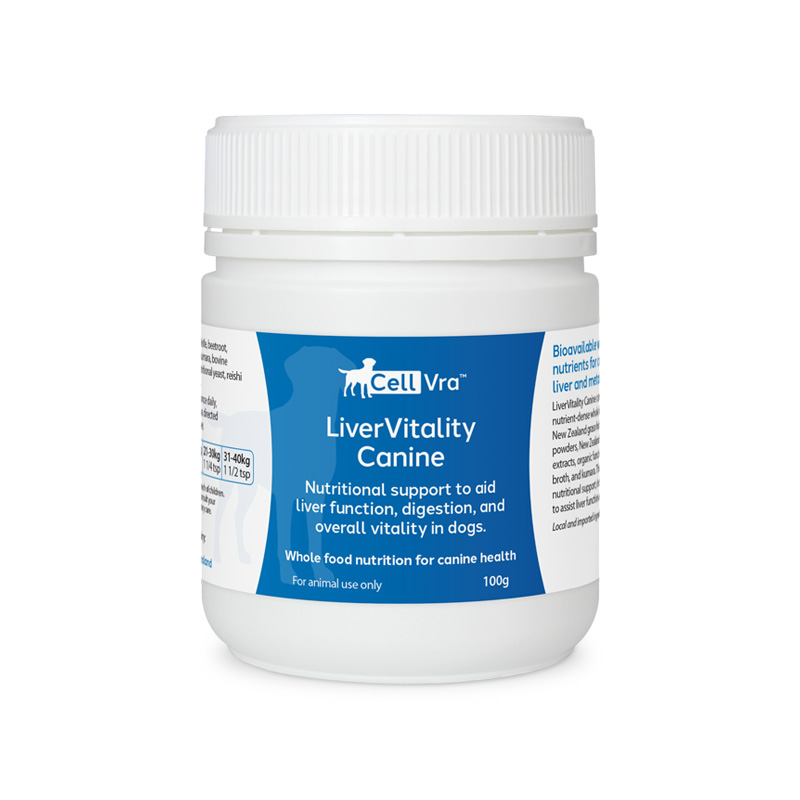
LiverVitality Canine
Whole-food nutritional support supplement for healthy liver function.
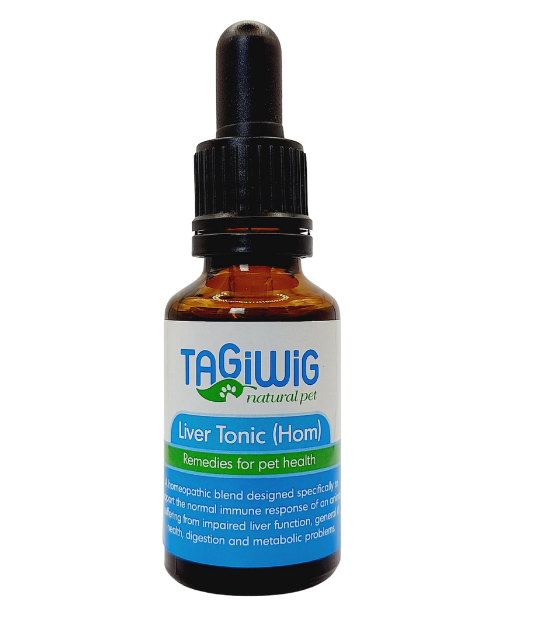
Liver Tonic
Homeopathic support traditionally used as part of a holistic approach to liver health.
Have questions?
If you have any other questions about your pet's anal gland problems, don't hesitate to contact us for a free chat.
Need more personalised guidance on your animal's health and nutrition?
If your pet has ongoing health challenges or specific support needs, get personalised guidance on your animal's health and nutrition bybooking a consultation.
Tags:
Dogs




 Earn loyalty points everytime you shop